
 Saiyaara02 hrs 30 minsCast: Ahaan Panday, Aneet Padda, Alam KhanRelease: 2025Rating:
FilmyHit: 162 Hindi movies in four release windows, from 12th Fail, Chhichhore and Queen to 3 Idiots, Lagaan, Kuch Kuch Hota Hai and Gol Maal
Every movie listed with its cast, release year and rating, and a Watch now button on its page.
Latest updates
View all (40)Saiyaara02 hrs 30 minsCast: Ahaan Panday, Aneet Padda, Alam KhanRelease: 2025Rating:  Aap Jaisa Koi01 hrs 55 minsCast: R. Madhavan, Fatima Sana Shaikh, Namit DasRelease: 2025Rating:
 Kaalidhar Laapata01 hrs 49 minsCast: Abhishek Bachchan, Daivik Baghela, Mohammed Zeeshan AyyubRelease: 2025Rating:
 Sitaare Zameen Par02 hrs 35 minsCast: Aamir Khan, Genelia D'Souza, Dolly AhluwaliaRelease: 2025Rating:
 Bhool Chuk Maaf02 hrs 01 minsCast: Rajkummar Rao, Wamiqa Gabbi, Raghubir YadavRelease: 2025Rating:
 Superboys of Malegaon02 hrs 08 minsCast: Adarsh Gourav, Shashank Arora, Vineet Kumar SinghRelease: 2025Rating:
 Khel Khel Mein02 hrs 15 minsCast: Akshay Kumar, Taapsee Pannu, Vaani KapoorRelease: 2024Rating:
 Sarfira02 hrs 35 minsCast: Akshay Kumar, Radhikka Madan, Paresh RawalRelease: 2024Rating:
Latest movies
View all (40)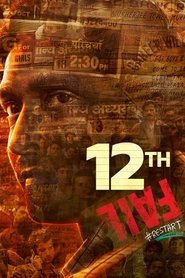 12th Fail02 hrs 26 minsCast: Vikrant Massey, Medha Shankr, Anant JoshiRelease: 2023Rating:
 Tu Jhoothi Main Makkaar02 hrs 44 minsCast: Ranbir Kapoor, Shraddha Kapoor, Anubhav Singh BassiRelease: 2023Rating:
 Chhichhore02 hrs 26 minsCast: Sushant Singh Rajput, Shraddha Kapoor, Tahir Raj BhasinRelease: 2019Rating:
 Super 3002 hrs 33 minsCast: Hrithik Roshan, Mrunal Thakur, Veerendra SaxenaRelease: 2019Rating:
 Mission Mangal02 hrs 13 minsCast: Vidya Balan, Akshay Kumar, Taapsee PannuRelease: 2019Rating:
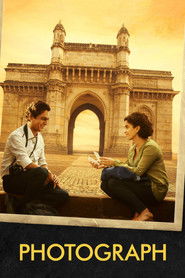 Photograph01 hrs 51 minsCast: Nawazuddin Siddiqui, Sanya Malhotra, Farrukh JaffarRelease: 2019Rating:
 The Sky Is Pink02 hrs 23 minsCast: Priyanka Chopra Jonas, Zaira Wasim, Farhan AkhtarRelease: 2019Rating:
 Teri Baaton Mein Aisa Uljha Jiya02 hrs 23 minsCast: Shahid Kapoor, Kriti Sanon, Dimple KapadiaRelease: 2024Rating:
2010 to 2018 movies
View all (74) Barfi!02 hrs 31 minsCast: Ranbir Kapoor, Priyanka Chopra Jonas, Ileana D'CruzRelease: 2012Rating:
 Queen02 hrs 26 minsCast: Kangana Ranaut, Rajkummar Rao, Lisa HaydonRelease: 2014Rating:
 Yeh Jawaani Hai Deewani02 hrs 40 minsCast: Ranbir Kapoor, Deepika Padukone, Aditya Roy KapurRelease: 2013Rating:
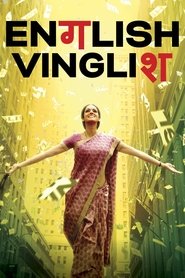 English Vinglish02 hrs 14 minsCast: Sridevi, Mehdi Nebbou, Sujata KumarRelease: 2012Rating:
 Dear Zindagi02 hrs 31 minsCast: Alia Bhatt, Shah Rukh Khan, Kunal KapoorRelease: 2016Rating:
 Udaan02 hrs 18 minsCast: Ronit Roy, Rajat Barmecha, Aayan BoradiaRelease: 2010Rating:
 Ae Dil Hai Mushkil02 hrs 38 minsCast: Ranbir Kapoor, Anushka Sharma, Aishwarya Rai BachchanRelease: 2016Rating:
 Piku02 hrs 03 minsCast: Deepika Padukone, Amitabh Bachchan, Irrfan KhanRelease: 2015Rating:
2000 to 2009 movies
View all (29) 3 Idiots02 hrs 51 minsCast: Aamir Khan, R. Madhavan, Sharman JoshiRelease: 2009Rating:
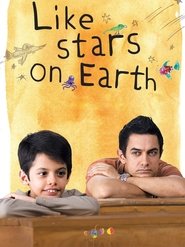 Like Stars on Earth02 hrs 42 minsCast: Darsheel Safary, Aamir Khan, Tisca ChopraRelease: 2007Rating:
 Lagaan: Once Upon a Time in India03 hrs 53 minsCast: Aamir Khan, Gracy Singh, Rachel ShelleyRelease: 2001Rating:
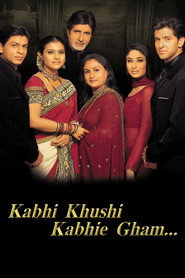 Kabhi Khushi Kabhie Gham03 hrs 29 minsCast: Amitabh Bachchan, Shah Rukh Khan, Hrithik RoshanRelease: 2001Rating:
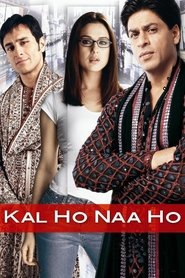 Kal Ho Naa Ho03 hrs 07 minsCast: Shah Rukh Khan, Preity Zinta, Saif Ali KhanRelease: 2003Rating:
 Swades03 hrs 15 minsCast: Shah Rukh Khan, Gayatri Joshi, Kishori BallalRelease: 2004Rating:
 Chak De! India02 hrs 28 minsCast: Shah Rukh Khan, Vidya Malvade, Sagarika GhatgeRelease: 2007Rating:
 Dil Chahta Hai03 hrs 03 minsCast: Aamir Khan, Akshaye Khanna, Saif Ali KhanRelease: 2001Rating:
Classic movies
View all (19)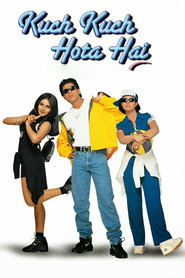 Kuch Kuch Hota Hai03 hrs 05 minsCast: Shah Rukh Khan, Kajol, Rani MukerjiRelease: 1998Rating:
 Dil To Pagal Hai02 hrs 59 minsCast: Shah Rukh Khan, Madhuri Dixit, Karisma KapoorRelease: 1997Rating:
 Maine Pyar Kiya03 hrs 12 minsCast: Salman Khan, Bhagyashree, Alok NathRelease: 1989Rating:
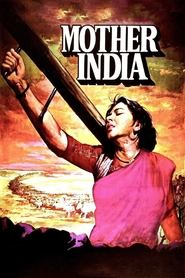 Mother India02 hrs 55 minsCast: Nargis, Sunil Dutt, Rajendra KumarRelease: 1957Rating:
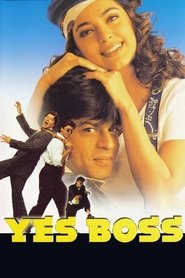 Yes Boss02 hrs 45 minsCast: Shah Rukh Khan, Juhi Chawla Mehta, Aditya PancholiRelease: 1997Rating:
 Pardes03 hrs 11 minsCast: Shah Rukh Khan, Amrish Puri, Mahima ChaudhryRelease: 1997Rating:
 Gol Maal02 hrs 24 minsCast: Amol Palekar, Utpal Dutt, Bindiya GoswamiRelease: 1979Rating:
 Mera Naam Joker04 hrs 08 minsCast: Raj Kapoor, Rishi Kapoor, DharmendraRelease: 1970Rating:
More lists
Top rated movies 41Comedy 96Drama 138Romance 84Family 20Sport 19True stories 11
The FilmyHit guide
FilmyHit: 162 Hindi movies in four release windows, from 12th Fail, Chhichhore and Queen to 3 Idiots, Lagaan, Kuch Kuch Hota Hai and Gol Maal
FilmyHit is a guide to Hindi cinema arranged by when the films came out. It has four release windows: the latest, from 2019 to 2025; the years 2010 to 2018; the years 2000 to 2009; and the classics, from 1955 to 1999. Together they hold 162 movies, 159 in Hindi and three in Punjabi, running to about 385 hours. Every movie is shown as a row with a small poster, its running time, its leading cast, its release year and its rating, and each has a page with a summary in English and a Watch now button.
The windows answer the question most people actually bring to a film site: is there something new, or shall we watch an old favourite? A visitor who wants this year's talked-about release goes to the first button. One who wants the films of his college years goes to the second or third, and one who wants to show the children what their grandparents laughed at goes to the fourth.
All 162 films were screened by hand for a family audience, so the guide leans towards comedy, romance, family drama, sport and stories of ordinary people, which is where Hindi cinema has done much of its best work in any case. The pages are in English, and each gives the film's original title beside its English one.
This guide explains the page, goes through the four windows from newest to oldest, and then crosses them by subject. The short version is on How to watch with FilmyHit.
How FilmyHit works
The page is plain and quick, a white column on a near-white ground. The logo sits in the centre at the top, with the search box and its teal button under it. Beneath comes a row of coloured buttons: Home, Latest, 2010 to 2018, 2000 to 2009, Classics, Top rated, A-Z and My Hits.
The home page shows five lists of rows in two columns. The first, Latest updates, holds the eight most recent releases in the guide in order of date. The next four take the windows one at a time and show the eight most widely rated films of each, with a link to the whole window. A row is read from left to right: the poster, then the title in blue, the running time in green written as hours and minutes, and three short lines for the cast, the release year and the rating, the last in a small amber box.
A movie page gives the title, the original title where it differs, tags for the year, the running time and the genres, the summary, the Watch now button and the list button. A panel beside them has a selector with fifteen countries, India first; choose one, press the button, and JustWatch lists the subscription, rental, purchase and free services that carry the film there. A table of facts, the cast and the director complete the page. Finding a movie covers the search box and the lists.
How the windows are built
A film belongs to the window of its year of release, and each window lists every film in the guide from those years. The sizes are therefore unequal, and honestly so: seventy-four films from 2010 to 2018, forty from 2019 onwards, twenty-nine from the 2000s and nineteen classics. The middle window is the largest because those are the years best covered by the audience ratings on which the guide draws, and because they were strong years for the kind of film it favours.
Within a window the films are ordered by the number of people who have rated them, so the best-known titles come first. The Latest updates list on the home page is the one list ordered purely by date. The four release windows page gives the outline.
Latest movies: 2019 to 2025
The first window holds forty films, and it is led by one of the most loved Hindi films of recent years. 12th Fail, directed by Vidhu Vinod Chopra, follows a boy from a village in the Chambal valley who fails his school examination, sweeps floors and sleeps in a library in Delhi, and sits again and again for the civil service. It is taken from a real life, it cost little to make, and it holds a score of 7.9.
Chhichhore is a comedy of college hostel life told by a father to his son in a hospital room, and Super 30 has Hrithik Roshan as the mathematics teacher Anand Kumar, who coaches thirty poor students a year for the hardest entrance examination in the country. Mission Mangal tells how a team of scientists, most of them women, sent a satellite to Mars on a budget smaller than that of a space film.
Some of the best films in the window are small ones. Chintu Ka Birthday, only eighty-three minutes long, is set in a single house in Baghdad where an Indian family tries to hold a sixth birthday party as the war goes on outside. Three of Us follows a woman back to the coastal town of her childhood. Photograph, by the director of an earlier success about lunch boxes, pairs a street photographer at the Gateway of India with a shy student. Kaalidhar Laapata sends an old man and a boy of eight on the road together, and Superboys of Malegaon is the true story of amateur film-makers in a small textile town who remake famous films with their neighbours as the cast.
Sport fills a whole shelf of the window, described further on. The romantic comedies include Tu Jhoothi Main Makkaar, Zara Hatke Zara Bachke, Ginny Weds Sunny, Meenakshi Sundareshwar, Teri Baaton Mein Aisa Uljha Jiya, Bhool Chuk Maaf, in which a bridegroom in Banaras wakes to the same day again, and Aap Jaisa Koi. JugJugg Jeeyo, Gulmohar, about a Delhi family's last four days in the house it has lived in for thirty-four years, Sukhee, Mrs. and The Sky Is Pink are the family dramas.
The newest entries are Sitaare Zameen Par, in which Aamir Khan plays a basketball coach assigned to a team of players with intellectual disabilities, and the romance Saiyaara, both from 2025. The latest movies guide sorts the forty.
The window of 2010 to 2018: the new middle
The second window is the largest, with seventy-four films, and it records a real change in Hindi cinema. In these years the multiplex audience in the cities made room for films of modest size about recognisable people, and a generation of writers and actors rose to fill it.
Barfi! leads the window: Ranbir Kapoor as a deaf young man in Darjeeling whose life is told with hardly a spoken line from him and a great deal of music. Queen gave Kangana Ranaut the part of a Delhi bride who, when her wedding is called off, takes the honeymoon to Paris and Amsterdam by herself. English Vinglish brought Sridevi back to the screen as a mother learning English in secret, and Piku put Deepika Padukone, Amitabh Bachchan and Irrfan Khan in a car from Delhi to Kolkata.
The small-town film became a kind of its own. Dum Laga Ke Haisha is set in Haridwar, Bareilly Ki Barfi in the town of its title, Badrinath Ki Dulhania in Jhansi and Kota, and Sui Dhaaga - Made in India among tailors on the edge of Delhi. Ankhon Dekhi goes further than any of them: an elderly man in the old city of Delhi decides one morning to believe only what he has seen with his own eyes, to the despair and then the delight of his joint family.
Irrfan Khan, who died in 2020, is at the centre of two films here, Hindi Medium, a satire on school admissions, and Qarib Qarib Singlle, a late romance conducted on trains and aeroplanes. Rajkummar Rao leads Newton, about a clerk set on holding an honest election in a forest, and Nawazuddin Siddiqui Manjhi: The Mountain Man, the true story of a labourer who spent twenty-two years cutting a road through a hill with a hammer and chisel.
The window of 2010 to 2018: youth, romance and children
The glossy romance changed in these years too. Yeh Jawaani Hai Deewani follows four friends from a trek in the mountains to a wedding in Udaipur eight years later. Tamasha begins as a holiday game in Corsica and turns into a film about the stories people are told to live by. Dear Zindagi gives its heroine a therapist in Goa, and Dil Dhadakne Do puts a rich Delhi family on a cruise ship where its quarrels have nowhere to hide. Kapoor & Sons brings two brothers home to a house full of old grievances and a grandfather determined to have a family photograph taken.
Band Baaja Baaraat launched Ranveer Singh as a Delhi student who talks his way into a wedding-planning business. 2 States, Hasee Toh Phasee, Khoobsurat, Daawat-e-Ishq, Mere Brother Ki Dulhan, Happy Bhag Jayegi, Love per Square Foot, Meri Pyaari Bindu and I Hate Luv Storys are lighter variations. Lootera and October are the quiet ones: a love story of the 1950s taken from an O. Henry tale, and a film about a hotel trainee who keeps watch at the bedside of a colleague he hardly knew. Laila Majnu retells the old legend in Kashmir, and Fitoor sets Dickens's Great Expectations there.
The window is rich in films about and for children. Udaan is the hard story of a boy sent home to a harsh father in an industrial town. Stanley Ka Dabba is about a schoolboy who brings stories to school in place of a lunch box, and a teacher who covets everyone else's. Chillar Party has a gang of children defending a stray dog, Hawaa Hawaai a tea-stall boy who wants to skate, and Nil Battey Sannata a housemaid who enrols in her own daughter's class to shame her into studying. Hichki gives a teacher with Tourette syndrome the school's roughest class.
Three more deserve a word. Mukti Bhawan takes a father and son to a guest house in Varanasi where people come to spend their last days, and finds comedy and tenderness there. Ship of Theseus tells three stories about a photographer, a monk and a stockbroker joined by a question from philosophy. Tumhari Sulu has Vidya Balan as a housewife who becomes the voice of a late-night radio programme. The 2010 to 2018 guide sorts the seventy-four.
The window of 2000 to 2009
The third window has twenty-nine films, and nearly a third of them are landmarks. The decade opened with Mohabbatein and, in 2001, with three films that are still argued over as the best of their time. Lagaan: Once Upon a Time in India set a cricket match between villagers and British officers in 1893 and was nominated for an Academy Award. Dil Chahta Hai took three friends from Mumbai to Goa and Sydney and gave urban India a film that sounded like itself. Kabhi Khushi Kabhie Gham gathered six stars for a family saga on the grandest scale.
Shah Rukh Khan dominated the first half of the decade. Kal Ho Naa Ho is a New York romance with a secret at its heart, and Chalte Chalte the story of a marriage. Swades, in which a scientist comes home from America, and Chak De! India, in which a disgraced player coaches the women's hockey team to a world title, show him at his most restrained and are now among his most admired films.
Aamir Khan made fewer films and made them count. After Lagaan: Once Upon a Time in India and Dil Chahta Hai came Like Stars on Earth, which he also directed, about a dyslexic boy and the art teacher who sees him clearly, and 3 Idiots, the engineering-college comedy that became the most successful Hindi film of its day. The two stand first in the Top rated list at 8.0.
Jab We Met made a night train from Mumbai the starting point of the decade's best-loved romantic comedy. Hum Tum follows a cartoonist and the woman he keeps meeting over several years. Wake Up Sid and Rocket Singh: Salesman of the Year are both about young men finding work that suits them, and Luck by Chance, the first film of the director Zoya Akhtar, is a knowing comedy about how a newcomer becomes a star. Paa has Amitabh Bachchan as a twelve-year-old with a rare ageing disorder and his real son as the boy's father.
The comedies of the window are broad and cheerful: Mujhse Shaadi Karogi, Namastey London, Dhol, Deewane Huye Paagal and Welcome To Sajjanpur, Shyam Benegal's gentle satire about a village letter-writer. Baghban, Ta Ra Rum Pum, U Me Aur Hum, Socha Na Tha, Honeymoon Travels Pvt. Ltd., Mujhse Dosti Karoge!, Andaaz and Jis Desh Mein Ganga Rehta Hai complete it. The 2000 to 2009 guide sorts the list.
Classic movies: 1955 to 1999
The fourth window is the smallest, nineteen films, and the one that rewards patience most. It reaches back to the black-and-white years of Guru Dutt, who directed and starred in both of its oldest films. Mr. & Mrs. '55 is a sparkling comedy in which a cartoonist is hired to marry an heiress for the sake of her inheritance, with Madhubala. Kaagaz Ke Phool, from 1959, is its opposite: the story of a film director's rise and ruin, the first Indian film made in CinemaScope, a failure on release and a treasure now.
Mother India, from 1957, is the national epic of Hindi cinema. Nargis plays Radha, a village woman who is left to raise her sons and work her fields alone and who holds fast to both her land and her honour. It was the first Indian film nominated for the Academy Award for foreign-language film. Mera Naam Joker, Raj Kapoor's enormous film of 1970 about a circus clown and the three loves of his life, was another that found its audience only with time.
The heart of the window is the middle-class comedy of the 1970s and early 1980s, made by directors who preferred flats, offices and bus stops to palaces. Rajnigandha has a young woman in Delhi choosing between a talkative clerk and an old flame. Gol Maal is the masterpiece of the kind: a young man invents a twin brother with a moustache to keep a job with an employer who distrusts anyone with hobbies, and Utpal Dutt as the employer gives one of the great comic performances in Indian film. Chashme Buddoor follows three student flatmates and the girl who sells washing powder door to door, and Angoor turns Shakespeare's Comedy of Errors into a tale of two pairs of twins, with Sanjeev Kumar in both leading parts.
Seeta and Geeta gives Hema Malini two parts as well, as twins separated at birth, one meek and one fearless. Manthan, Shyam Benegal's film about the founding of a village milk co-operative, was paid for by half a million dairy farmers who gave two rupees each.
The window closes with the 1990s. Maine Pyar Kiya in 1989 and Swarg in 1990 lead in; Rangeela, with its A. R. Rahman score, is a comedy about an extra who becomes a star, and its director returned to the film world in Mast. Then come the romances that defined the decade's second half, Dil To Pagal Hai, Yes Boss, Pardes, Kuch Kuch Hota Hai and Taal. The classic movies guide sorts the nineteen.
Top rated
The Top rated list gathers the forty-one films with an audience score of 7.2 or more. The scores are TMDB averages of ratings by registered viewers, and each film page shows how many ratings stand behind its figure. By window the list holds ten of the latest films, seventeen from 2010 to 2018, nine from 2000 to 2009 and five classics.
Two films share first place at 8.0, 3 Idiots and Like Stars on Earth. Two share 7.9, 12th Fail and Kaalidhar Laapata, and Maidaan stands at 7.8. At 7.7 are Chhichhore, The Sky Is Pink and Kabhi Khushi Kabhie Gham, and at 7.6 Barfi!, Hichki, Gol Maal, Three of Us and Superboys of Malegaon.
The list is a fair portrait of what audiences value in Hindi cinema: stories about study and effort, about teachers and children, about sport, and about families under strain. Only a handful of its forty-one films are conventional romances, though love stories make up more than half the guide. The top rated page explains the rule.
Sport
Nineteen films in the guide are about sport, and they span three of the four windows. Cricket comes first, as it must. Lagaan: Once Upon a Time in India invented the modern Hindi sports film in 2001. M.S. Dhoni: The Untold Story follows the future captain from ticket collector at a railway station to the winning stroke of a World Cup final. Jersey, the Hindi version of a Telugu success, is about a gifted batsman who returns to the game in his late thirties for his son's sake, and Kaun Pravin Tambe? tells the true and scarcely believable story of a club cricketer who made his professional debut at forty-one. Patiala House, Shabaash Mithu, on the women's captain Mithali Raj, and Mr. & Mrs. Mahi are cricket films as well.
Hockey has two fine entries. Chak De! India is the favourite: a coach with a stain on his name, sixteen players from every corner of the country, and a speech before the final that Indian audiences know by heart. Soorma is the true story of Sandeep Singh, the drag-flicker who was shot by accident on a train, left in a wheelchair and returned to captain the national side; it stars Diljit Dosanjh, the Punjabi singer and actor.
Maidaan, at just over three hours, recounts the golden years of Indian football under the coach Syed Abdul Rahim, ending with the Asian Games of 1962, and it holds the highest score of the group at 7.8. Budhia Singh: Born to Run is about a five-year-old marathon runner from Odisha and his coach. Women athletes lead Panga, in which a former kabaddi captain comes back after motherhood, and Rashmi Rocket, about a sprinter.
The gentler sports films are for children: Hawaa Hawaai is about skating, Toolsidas Junior about a boy who learns snooker to restore his father's pride, and Chhalaang about a lazy games teacher shamed into taking his job seriously. Sitaare Zameen Par is the newest, and Street Dancer 3D and Ta Ra Rum Pum, about a racing driver's family, sit at the edges of the list. The sport guide sorts the nineteen.
True stories
Eleven films carry a true-story tag, and several others are drawn closely from life. Beside the sporting biographies already named stand Super 30; Manjhi: The Mountain Man; The Sky Is Pink, in which a family's twenty-five years are told by the daughter they lost; and Hawaizaada, a fanciful account of a Mumbai man said to have flown an aircraft in 1895.
12th Fail and Superboys of Malegaon belong with them in spirit, as do Mission Mangal and Sarfira, about a villager's son who sets out to found an airline cheap enough for ordinary people. What these films share is a fondness for the stubborn individual: the teacher, the labourer, the clerk or the engineer who decides that a thing can be done and keeps at it for years. It is a favourite subject of recent Hindi cinema, and audiences reward it; six of the ten highest scores among the latest films belong to stories of this kind. The true stories guide lists the eleven.
Comedy
Ninety-six films carry the comedy tag. Hindi comedy has two long traditions, and the guide holds both. The first is the gentle comedy of manners that runs from Mr. & Mrs. '55 through Gol Maal, Chashme Buddoor and Angoor to Ankhon Dekhi, Bareilly Ki Barfi and Chintu Ka Birthday. Its jokes come from character, its settings are ordinary homes, and it ages very well.
The second is the loud ensemble farce, with mistaken identities, chases and a wedding at the end. Dhol, Deewane Huye Paagal, Mubarakan, in which Anil Kapoor tries to marry off twin nephews to the right brides, Mujhse Shaadi Karogi and Atithi Tum Kab Jaoge?, about a guest who misses every hint to leave, are of this kind.
Between the two lies the comedy with a point to make, a speciality of the last fifteen years. Jolly LLB is a courtroom satire about a small-time lawyer who takes on a rich man's case for the publicity and finds a conscience. Hindi Medium laughs at the scramble for school places, Rocket Singh: Salesman of the Year at office dishonesty, Batti Gul Meter Chalu at electricity bills, and Welcome To Sajjanpur at village politics. Chalo Dilli puts a brisk banker and a talkative shopkeeper on the road together. The comedy guide sorts the list.
Romance
Eighty-four films, more than half the guide, are love stories, and the four windows show how the Hindi romance has changed. In the classics the lovers are kept apart by parents and by class, and the film takes three hours and eight songs to bring them together: Maine Pyar Kiya, Pardes and Taal are of this kind, and Kuch Kuch Hota Hai gave it a college setting and a second chance eight years later.
In the 2000s the obstacles moved inside the lovers. Hum Tum, Socha Na Tha and Jab We Met are about people who take most of the film to know their own minds. In the following window the couples argue about work, money and where to live, as in Band Baaja Baaraat, 2 States and Love per Square Foot, and marriage is as often the beginning of the story as its end, as in Dum Laga Ke Haisha and Hamari Adhuri Kahani.
The latest window adds comedies of arrangement, Ginny Weds Sunny, Meenakshi Sundareshwar, Zara Hatke Zara Bachke, and a return of the big musical romance with Saiyaara. Three Punjabi films stand in the guide, two of them romances: Qismat, a love story that begins lightly and ends in tears, and Lahoriye, about a courtship across the border. The third, Ni Main Sass Kuttni 2, is a comedy of mothers-in-law. The romance guide sorts the list.
Drama and family
Drama is the widest label, covering 138 films, and the family list picks out twenty suited to all ages. The most distinctive group consists of films about parents and grown children. Baghban asks what children owe their parents in old age. Piku and Mukti Bhawan turn the same question into comedy, Paa turns the ages upside down, and Kaalidhar Laapata lets an old man walk away from the family that finds him a burden. Waiting brings together two strangers, a retired professor and a young wife, in the corridor of a hospital.
A second group is about women's work and worth: English Vinglish, Tumhari Sulu, Sukhee, Panga, Mrs. and Nil Battey Sannata. A third is about the young choosing a path: Udaan, Wake Up Sid, Tamasha, Chhichhore, 12th Fail and Serious Men, a sharp comedy in which a clerk passes off his son as a prodigy.
And a fourth is about cinema itself, a subject Hindi film returns to with affection. Kaagaz Ke Phool, Rangeela, Mast, Luck by Chance and Superboys of Malegaon are separated by sixty-six years and agree on one thing, that the film world is a hard place that people will give up everything to enter. The drama guide and the family guide sort these lists.
Stars across the windows
The search box answers to actors' names, and following one across the windows is a good way to watch a career. Shah Rukh Khan appears in all four windows and in sixteen films, more than any other actor: Dil To Pagal Hai, Yes Boss, Pardes and Kuch Kuch Hota Hai in the classics, six films in the 2000s, Dear Zindagi, Jab Harry Met Sejal and Zero in the years to 2018, and his voice as narrator in The Zoya Factor. Aamir Khan spans all four, from Rangeela in 1995 to Sitaare Zameen Par in 2025.
Ranbir Kapoor's films trace a decade of growing range: Wake Up Sid and Rocket Singh: Salesman of the Year in 2009, then Barfi!, Yeh Jawaani Hai Deewani, Tamasha and Ae Dil Hai Mushkil, and Tu Jhoothi Main Makkaar in 2023. Anushka Sharma is seen from Band Baaja Baaraat to Sui Dhaaga - Made in India, and Ayushmann Khurrana in Dum Laga Ke Haisha, Bareilly Ki Barfi, Meri Pyaari Bindu, Bewakoofiyaan and Hawaizaada.
Amitabh Bachchan's later career is well represented, with Mohabbatein, Kabhi Khushi Kabhie Gham, Baghban, Paa, Bhoothnath Returns and Piku. Among the classics, Amol Palekar leads both Rajnigandha and Gol Maal, Sanjeev Kumar is in Seeta and Geeta and Angoor, and Deepti Naval and Farooq Shaikh make Chashme Buddoor the most charming courtship in the guide. Rajkummar Rao, Vidya Balan, Taapsee Pannu, Varun Dhawan and Alia Bhatt each appear in four films or more.
Directors across the windows
Directors' names work in the search box as well, and a few link the windows in telling ways. Shyam Benegal, the leading figure of India's parallel cinema, made Manthan in 1976 and Welcome To Sajjanpur thirty-two years later; both are about a village and the outsider who tries to organise it, the first in earnest and the second with a smile. Subhash Ghai's Pardes and Taal close the 1990s with showmanship on the largest scale.
The makers of the classic comedies are worth knowing by name. Hrishikesh Mukherjee directed Gol Maal, Basu Chatterjee Rajnigandha, Sai Paranjpye Chashme Buddoor, and the poet Gulzar Angoor. Between them they created a cinema of ordinary middle-class life that later directors have returned to again and again, and the small-town films of the 2010s are their direct descendants.
Among the moderns, Imtiaz Ali has four films in the guide, Socha Na Tha, Jab We Met, Tamasha and Jab Harry Met Sejal, every one of them a journey. Ashutosh Gowariker has three, Lagaan: Once Upon a Time in India, Swades and Mohenjo Daro, and Karan Johar three, Kuch Kuch Hota Hai, Kabhi Khushi Kabhie Gham and Ae Dil Hai Mushkil. Nitesh Tiwari began with the children's film Chillar Party and went on to Bhoothnath Returns and Chhichhore.
Several pairs show a director's range within a few years. Zoya Akhtar made Luck by Chance and Dil Dhadakne Do; Gauri Shinde English Vinglish and Dear Zindagi; Shoojit Sircar Piku and October; Ayan Mukerji Wake Up Sid and Yeh Jawaani Hai Deewani; Sharat Katariya Dum Laga Ke Haisha and Sui Dhaaga - Made in India; and Amole Gupte the two best films about schoolboys, Stanley Ka Dabba and Hawaa Hawaai. Ashwiny Iyer Tiwari has three, Nil Battey Sannata, Bareilly Ki Barfi and Panga, each centred on a woman with a mind of her own.
Songs
Every window in the guide is full of music, since a Hindi film that does away with songs is the rare exception. The classics hold some of the most famous soundtracks ever recorded. Mera Naam Joker and Mother India are known as much for their songs as for their stories, and Kaagaz Ke Phool contains a sequence, shot with a single beam of light falling across an empty studio, that film students still study frame by frame.
A. R. Rahman's arrival in Hindi cinema can be heard in Rangeela in 1995, his first score written for a Hindi film, and again in Taal, Lagaan: Once Upon a Time in India, Swades and Tamasha. The 2000s belonged also to the trio who scored Dil Chahta Hai, Kal Ho Naa Ho and Like Stars on Earth, and the 2010s to Pritam and Amit Trivedi, whose work on Barfi!, Yeh Jawaani Hai Deewani, Udaan, Queen and Lootera set the sound of the decade.
Dance has films of its own. ABCD and ABCD 2, directed by a choreographer and cast largely with dancers, follow a troupe from a Mumbai suburb, and Street Dancer 3D takes the same energy to London. A newcomer who is unsure about the songs might begin with Band Baaja Baaraat, where the dancing grows naturally out of the weddings the couple are paid to arrange.
Running times and the interval
The green line in every row gives the running time in hours and minutes, and it deserves attention, since Hindi films are long. The average in this guide is two hours and twenty-three minutes. The longest is Mera Naam Joker at four hours and eight minutes, which was shown with two intervals; Lagaan: Once Upon a Time in India follows at three hours fifty-three, Mohabbatein at three thirty-six and Kabhi Khushi Kabhie Gham at three twenty-nine.
The films are built for it. Each is made in two halves around an interval, with a turn in the story just before the break, and the songs give the audience room to breathe. At home the interval is easily kept: pause where the film pauses, and return for the second half.
Shorter films have become common in the recent windows. Chintu Ka Birthday runs eighty-three minutes, Waiting ninety-two, Stanley Ka Dabba ninety-six, and Nil Battey Sannata and Three of Us a hundred each. All five are among the best-reviewed films in the guide, which says something about where the form has been heading.
Reading a row
The row is the unit of this guide, and it was designed to answer four questions before a click. Who is in it? The Cast line names the first three billed actors. When was it made? The Release line gives the year. Is it any good? The Rating line shows the audience score in an amber box. And how long is it? The green line states hours and minutes.
List pages show the rows in two columns on a wide screen and one on a phone, most widely rated first, and a long list such as the 2010 to 2018 window, with its seventy-four rows, can be scanned in under a minute. The search page uses the same rows, so a search for an actor returns something very like a filmography with the ratings attached.
The score is best read within its window. The latest films are rated by smaller and keener audiences and their figures run a little high; the famous films of the 2000s have been rated by very large ones. A 7.2 for a classic with thousands of ratings and a 7.2 for a film of last year mean slightly different things, and the number of ratings on each film page tells which is which.
Eight evenings across the windows
A fortnight drawn from all four windows, two films from each, might go like this. From the latest: 12th Fail, and for a lighter night Chintu Ka Birthday. From 2010 to 2018: Queen and Ankhon Dekhi. From the 2000s: Jab We Met and, on a day with time to spare, Lagaan: Once Upon a Time in India. From the classics: Gol Maal and Mr. & Mrs. '55.
Seen in that order, the eight make a quiet argument. The humour of 1955 and of 1979 is the humour of 2014 and 2019; the villages of Lagaan: Once Upon a Time in India and 12th Fail are a century apart and recognisably the same country; and the heroine who goes to Paris alone in Queen is a great-granddaughter of the heiress who speaks her mind in Guru Dutt's comedy.
For a household with children the eight could be Like Stars on Earth, Stanley Ka Dabba, Chillar Party, Hawaa Hawaai, Toolsidas Junior, Chak De! India, Hichki and Seeta and Geeta, which between them cover three of the windows and need very little explaining to anyone over seven.
My Hits
My Hits is the list each visitor keeps. The list button beside Watch now on a movie page adds the film, and the dark My Hits button at the end of the row of buttons opens the list from any page. The list is stored in the browser on the device in use, so it is ready from the first visit and works free of any sign-up form, with name and phone number left unasked. The list page can save it as a file, which is the way to carry it to another device or to send it to a relative.
It is a good place to note the films that friends and family mention. Hindi cinema is passed along by word of mouth more than most, and a recommendation is easily forgotten by the weekend. The My Hits page gives the steps.
Where the movies play
FilmyHit is a guide, and the films themselves are held by the streaming services and digital stores. The Watch now button passes the title and the chosen country to JustWatch, which records each day what every service offers. India stands first in the selector, followed by the United States, the United Kingdom, Canada, Australia, the United Arab Emirates, Singapore and eight more countries where Hindi films have large audiences.
Most films from the two recent windows sit on one of the large subscription services, usually the one that bought the rights when the film left cinemas. The films of the 2000s are widely available for rental. Many classics can be seen on free services supported by advertising and on the official channels of the studios that made them. Availability differs by country and changes with time, so the answer shown is always the one for today.
Films and their places
One pleasure of watching across the windows is the map that builds up. Hindi cinema used to be set in a general, idealised north India, or abroad; from about 2010 it began to name its towns and film in their streets. A viewer who follows the guide will visit Darjeeling in Barfi!, Haridwar in Dum Laga Ke Haisha, Varanasi in Mukti Bhawan, Agra in Nil Battey Sannata, Kashmir in Laila Majnu, Jamshedpur in Udaan, Patna in Super 30, Ranchi in M.S. Dhoni: The Untold Story and the lanes of old Delhi in Ankhon Dekhi.
Mumbai is everywhere, as the home of the industry, yet it is seen differently in each window: as the glamorous city of Rangeela and Dil Chahta Hai, as the working city of Wake Up Sid, Rocket Singh: Salesman of the Year and Tumhari Sulu, and as the crowded, tender city of Photograph and Love per Square Foot, where a couple will marry for the sake of a one-room flat.
The films that travel abroad have changed as well. In the classics and the 2000s, London, New York and Switzerland are places of wealth and longing, as in Pardes, Kal Ho Naa Ho and Namastey London. In the later windows the foreign trip is a test of character: Queen in Paris and Amsterdam, English Vinglish in New York, Tamasha in Corsica and Jab Harry Met Sejal across Europe in search of a lost ring.
Villages return at both ends of the guide. Mother India and Manthan show rural life as a struggle to be dignified and improved; Swades and Lagaan: Once Upon a Time in India look back at it with pride; and 12th Fail and Manjhi: The Mountain Man treat it as the place a determined person starts from. Searching by the name of a director is the easiest way to pursue any of these threads, since directors tend to stay loyal to their landscapes.
The release year in each row helps here too. Read down a list in order of date and the country on screen changes with it: the bicycles and bus queues of the 1970s comedies, the first mobile phones of the 2000s, the coaching classes and video calls of the latest window. Few national cinemas have recorded ordinary life as steadily over seventy years.
Questions and answers
Questions
What is FilmyHit?
FilmyHit is a guide to 162 Hindi movies arranged in four release windows. Each movie has a page with its cast, a summary in English and a Watch now button.
What are the four windows?
Latest, 2019 to 2025, with 40 movies; 2010 to 2018, with 74; 2000 to 2009, with 29; and Classics, 1955 to 1999, with 19.
Are all the movies in Hindi?
There are 159 Hindi movies and three Punjabi ones. The pages are written in English, with each original title shown beside the English one.
Does FilmyHit host the movies?
FilmyHit is a guide only. Watch now opens JustWatch for the country you choose, which lists the subscription, rental, purchase and free services carrying the movie.
Which movies have the highest scores?
3 Idiots and Like Stars on Earth, at 8.0, followed by 12th Fail and Kaalidhar Laapata at 7.9 and Maidaan at 7.8.
Which is the oldest movie?
Mr. and Mrs. '55, Guru Dutt's comedy of 1955. Mother India, from 1957, and Kaagaz Ke Phool, from 1959, follow.
Which is the longest movie?
Mera Naam Joker, at four hours and eight minutes. The shortest is Chintu Ka Birthday, at eighty-three minutes.
Is the guide suitable for families?
Yes. Every movie was screened by hand, and twenty are marked as family viewing, among them Stanley Ka Dabba, Chillar Party and English Vinglish.
What is My Hits?
My Hits is a personal list kept in the browser. A button on each movie page adds or removes the movie, and the My Hits button opens the list.
Is an account needed?
The whole guide is open to every visitor. Search, the four windows and My Hits all work from the first visit.
How do I find a movie quickly?
Type part of its name, an actor or a year in the search box, press one of the window buttons, or open the A-Z index.
What does each row show?
A small poster, the title, the running time in hours and minutes, the first three cast members, the release year and the audience rating.
